
Community Options Canberra has supported older Australians and people with disability in the ACT for over 30 years. They built their identity on local relationships, continuity of care and a deep commitment to their community. For many years, they operated as a registered provider, managing both service delivery and the full administrative load of Home Care Packages.
As Support at Home requirements emerged, they did what many providers were doing. They reviewed the new model and calculated the capital, staffing and infrastructure needed to stay a registered provider.
The estimate was sobering. The staffing, systems, capital and compliance structures required to remain registered would have pushed past a million dollars in setup and ongoing pressure. It raised the same question many small and not-for-profit providers face today: how do we keep supporting our community under the weight of Support at Home?
They explored their options. Staying a registered provider meant absorbing increased compliance obligations and rising financial strain. Becoming responsible for client contribution collection and debt exposure puts significant pressure on working capital. Stepping out of the sector would remove their vital presence in the community.
Either path meant compromising their mission.
Then they had an early conversation with Trilogy Care.
A straightforward model that changed everything
Brendan, Deputy CEO of Client Services at Community Options, summarises their partnership experience:
“It’s such a simple model. The team and I focus on what our clients need most. We still get paid and we don’t have to worry about the regulatory burden.”
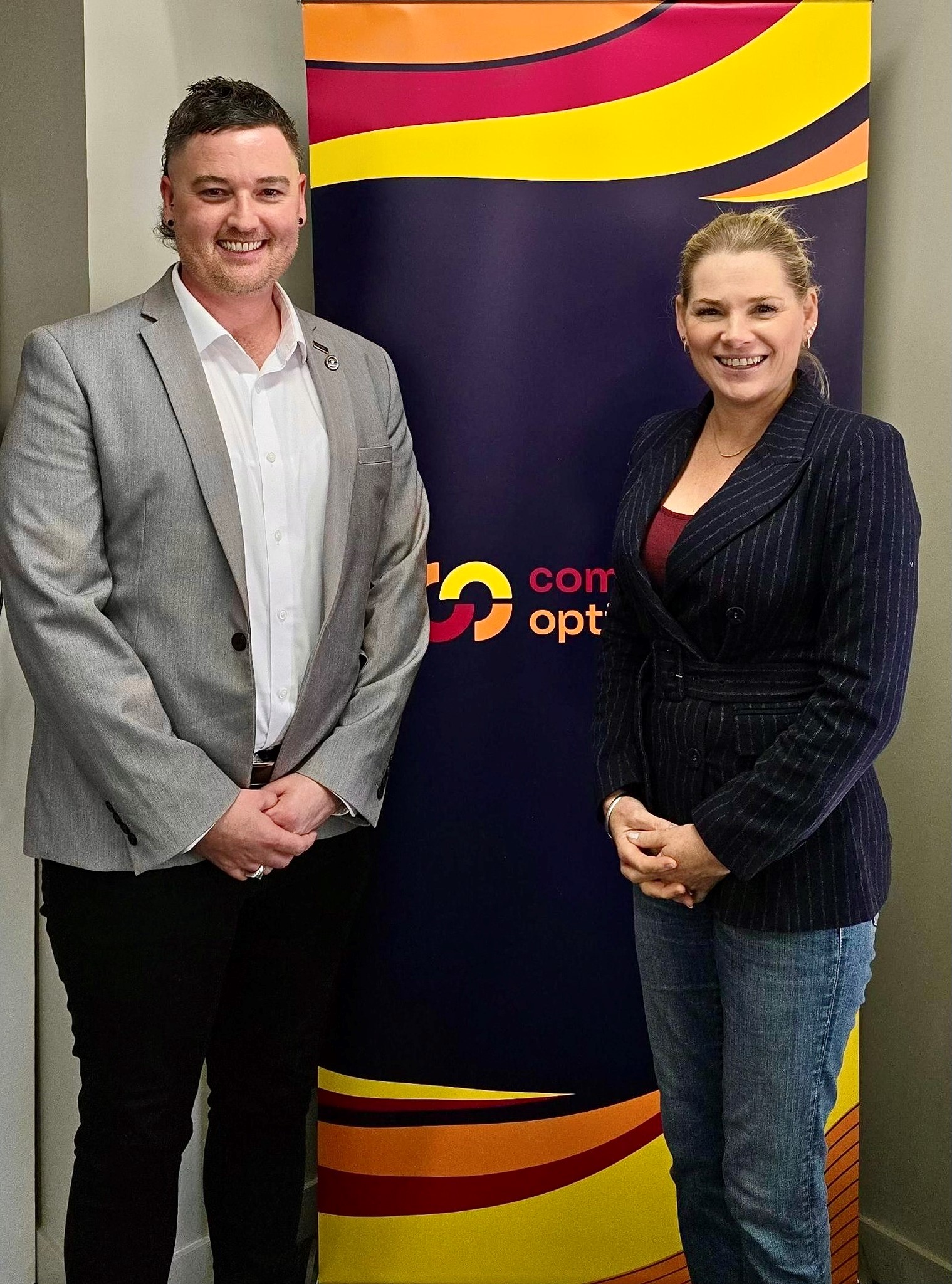
By shifting to a partnership arrangement, Brendan realised they could continue their mission without carrying the financial, administrative or regulatory stress of Support at Home. They could remain active in the community without absorbing the risk.
They made the decision to relinquish their registered provider status and enter into a partnership with Trilogy Care.
There were no service disruptions.
No reduction in community presence.
No shift away from client needs.
The only difference was stepping away from the administrative and financial pressure of remaining a registered provider, creating space to breathe, and focus on what matters most.
The growing pressure on small providers under Support at Home
Support at Home places financial, administrative and operational pressure on small providers that many were never designed to absorb.
Providers must front the capital for every service, wait for delayed reimbursement, and then recover contributions themselves. They carry debt risk when contributions pause or remain unpaid, including during hardship reviews. At the same time, they must manage expanded care documentation, tighter service validation, increased quality oversight, new budget processes and broader reporting obligations.
These pressures arrive together, stretching staff, systems and governance beyond capacity, exposing small organisations to financial instability and damage to client relationships.
Support at Home exposes small providers to debt risk
Under the new model, registered providers must pay service invoices up front, claim the government portion back and then recover the required contribution directly from the client.
If a hardship application is made, contributions pause during the review period. Government still reimburses the reduced subsidy only, leaving the provider carrying the debt.
If hardship is rejected, the participant owes a backdated amount they are unlikely to be able to pay. If they change providers or disengage, the original provider absorbs the loss.
The result is predictable:
Small providers face increased debt exposure, damaged relationships with clients, and a growing operational burden that erodes their ability to serve their community.
Fronting capital and chasing contributions is not a sustainable model for small providers. For Community Options, this combination of debt exposure and rising administrative pressure made continued registration untenable.
This is the environment they assessed when estimating the million dollars they would need under Support at Home. The combined impact of compliance reform and capital exposure made continued provider registration unviable.
A transition that kept the focus on clients
Brendan reflected on the experience:
“It has been exhausting for providers. There are obvious new requirements, but we don’t have to do the hardest part of Support at Home.”
He shared a message for other small providers considering their future:
“I don’t think many smaller or not-for-profit providers fully understand the scale of pressure coming, or the options available to them.”
He hopes their story encourages other organisations with similar missions to keep serving their communities into the future.
Since transitioning, Community Options has been able to return their full attention to clients and community engagement. Their operations run smoothly, supported by Trilogy Care’s remote systems and dedicated Partnerships Manager. Their team is no longer weighed down by compliance or financial risk.

A way to remain active in your community
Support at Home is reshaping the sector. For many small providers, the financial, administrative and regulatory burden is simply unsustainable.
Community Options faced the same pressures. Their decision to partner with Trilogy Care allowed them to stay in the sector without carrying the full strain of provider registration.
Trilogy Care offers safe harbour for providers that want to stay local and community-embedded without absorbing the risks and costs of staying registered.
Smaller providers now face a decision:
-
Absorb the growing compliance and financial risk
-
Wind down services and transition out of the sector
-
Partner with a provider that supports continuity of care without the compliance burden
Community Options chose the path that protected their mission, their staff and their clients. You can too.
If you would like to explore how a partnership could relieve the pressure and help your organisation remain active in your community, contact our Partnerships team here.
Written by Glen Kilpatrick – Chief Growth Officer, Trilogy Care